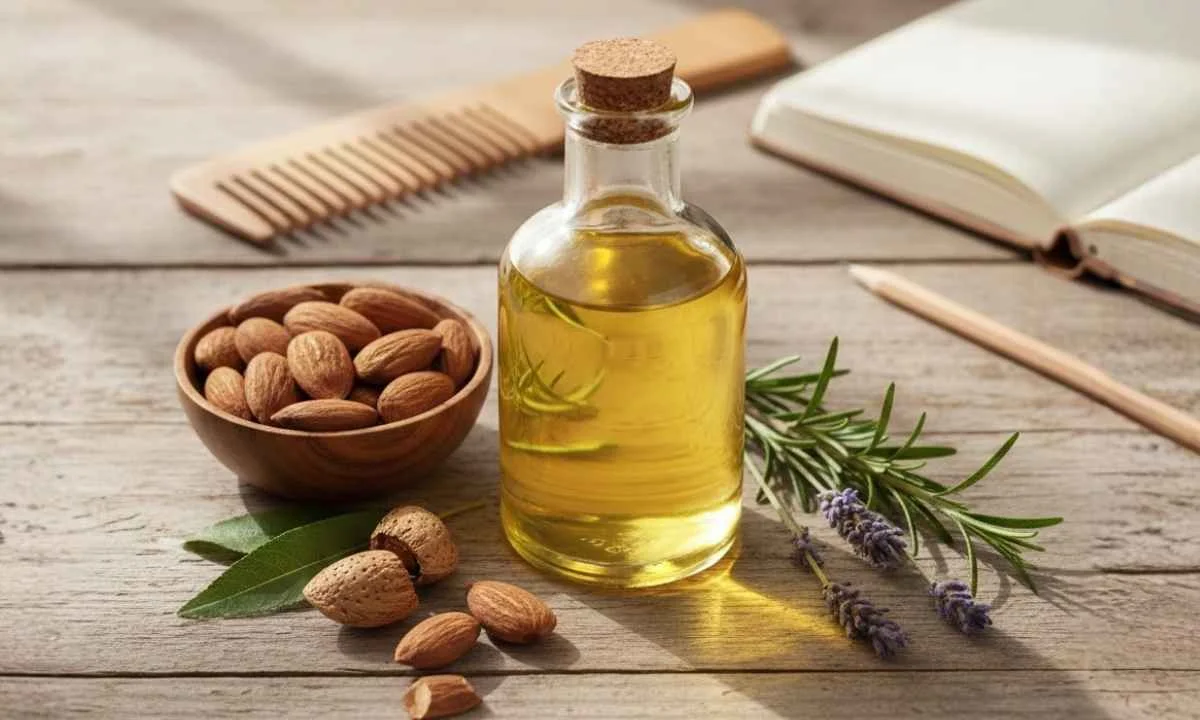
For centuries, people have turned to natural remedies for beauty and wellness, and few have stood the test of time quite like almond oil. Rich in essential nutrients, vitamins, and fatty acids, it has long been celebrated as one of nature’s most powerful elixirs for hair care. If you’ve been wondering how to use almond oil for hair growth and thickness, you’re not alone — countless people are ditching chemical-laden products and turning back to this golden oil for real, lasting results. Whether your goal is to add length, boost volume, or simply strengthen your strands from the roots up, this guide covers the science, the techniques, and the practical steps to make almond oil for hair growth work for your unique hair type. By the end, you’ll have everything you need to build a simple, effective routine and start seeing healthier, more vibrant locks.
The Nutritional Powerhouse Within Almond Oil
It is a treasure trove of vitamins, minerals, and fatty acids that are vital for hair health. It’s particularly celebrated for its high concentration of Vitamin E, a potent antioxidant that helps protect hair follicles from damage and promotes circulation in the scalp. This improved blood flow ensures that nutrients are efficiently delivered to the hair roots, creating an optimal environment for growth. Beyond Vitamin E, almond oil also contains:
- Magnesium: Essential for healthy hair growth and preventing hair loss.
- Calcium: Supports strong hair strands and overall hair structure.
- Zinc: Plays a crucial role in hair tissue growth and repair.
- Biotin (Vitamin B7): A well-known nutrient for strengthening hair and stimulating growth.
- Omega-3 Fatty Acids: Contribute to a healthy scalp and add a natural sheen to hair.
These components work synergistically to nourish the scalp, strengthen hair shafts, and ultimately contribute to noticeable improvements in hair density and length.
Understanding Hair Growth Cycles
Before diving into application methods, it’s beneficial to understand the natural hair growth cycle. Hair growth isn’t a continuous process; it occurs in three distinct phases: Anagen (growth), Catagen (transition), and Telogen (resting). Factors like diet, stress, genetics, and environmental exposure can influence these cycles, sometimes leading to premature shedding or stunted growth. Using natural aids like almond oil can help optimize conditions for healthy anagen phase extension and minimize excessive telogen shedding.
The Role of Essential Fatty Acids
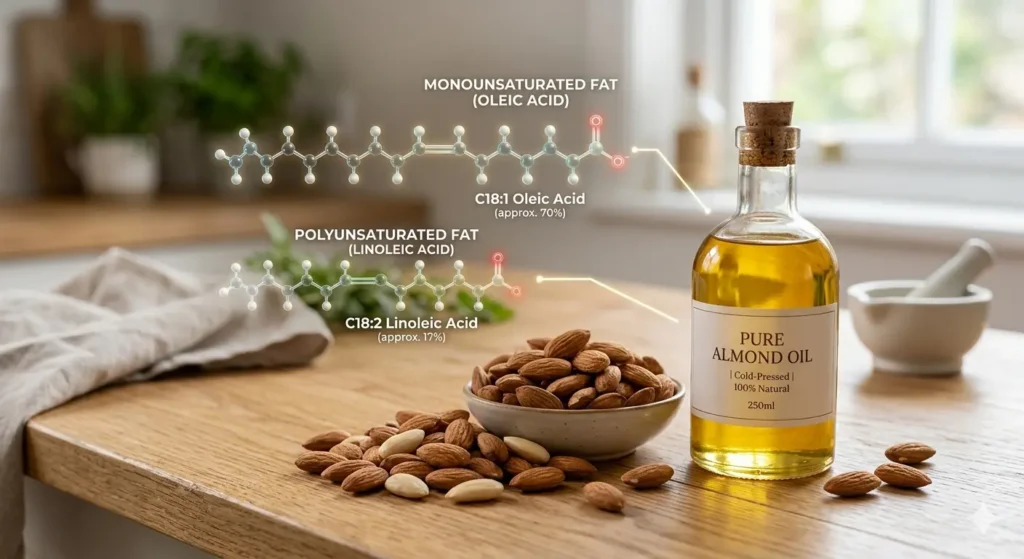
The scalp’s health is paramount for hair growth. Essential fatty acids, abundant in almond oil, help maintain the lipid barrier of the scalp, preventing moisture loss and reducing inflammation. A well-hydrated and calm scalp is less prone to dandruff and other irritations that can impede healthy hair growth.
Choosing the Right Almond Oil
When selecting almond oil for hair care, quality matters. Not all almond oils are created equal, and opting for the right type ensures you reap the maximum benefits.
Sweet Almond Oil vs. Bitter Almond Oil
It’s crucial to differentiate between sweet and bitter almond oil. Sweet almond oil is the variety suitable for hair and skin applications. It’s extracted from edible almonds and is generally safe and beneficial. Bitter almond oil, on the other hand, is extracted from a different type of almond and contains compounds that can be toxic when ingested or applied topically in undiluted forms. Always ensure you purchase “sweet almond oil” for your beauty regimen.
Unrefined Options and Cold Pressed almond oil
For optimal potency, look for cold-pressed and unrefined sweet almond oil. This extraction method avoids heat and chemical solvents, preserving the oil’s vital nutrients, antioxidants, and fatty acids. Refined almond oils, while still beneficial, may have lost some of their therapeutic properties during processing. Organic options further guarantee that the almonds were grown without pesticides or harmful chemicals.
Application Techniques for Optimal Results
Integrating this oil into your hair care routine is straightforward, but certain techniques can amplify its effectiveness.
Pre-Shampoo Treatment for Hair Thickness
One of the most effective ways to use almond oil is as a pre-shampoo treatment. This allows the oil ample time to penetrate the hair shaft and scalp, delivering a deep dose of nourishment.
- Warm the Oil: Gently warm a small amount of almond oil (2-3 tablespoons, depending on hair length and thickness) in a bowl of warm water or by rubbing it between your palms. Avoid direct heating, which can degrade nutrients.
- Scalp Massage: Apply the warm oil directly to your scalp. Using your fingertips, gently massage the oil into your scalp in circular motions for 5-10 minutes. This increases blood circulation and helps the oil penetrate the follicles.
- Hair Strand Application: Work the remaining oil through the length of your hair, paying extra attention to the ends, which are often the driest and most prone to breakage.
- Wrap and Wait: Cover your hair with a warm towel or a shower cap. Leave the oil on for at least 30 minutes, or for an intensive treatment, leave it overnight.
- Wash Out: Shampoo your hair thoroughly to remove the oil. You might need to shampoo twice to ensure all residue is gone, especially if you left it on overnight.
Overnight Mask for Intensive Nourishment
For those struggling with very dry, brittle hair or significant hair thinning, an overnight mask can be particularly beneficial. Apply the oil as described above, ensuring your scalp and hair are well-coated. Cover your hair with a shower cap or an old towel to protect your pillow, and wash it out in the morning. This extended contact time allows for deeper absorption of the nutrients.
Detangling and Frizz Control
Almond oil’s emollient properties make it an excellent natural detangler and frizz controller.
- Light Application: After washing and lightly towel-drying your hair, take a few drops of almond oil and warm it in your palms.
- Smooth Through Hair: Lightly run your hands through the mid-lengths and ends of your hair. This helps to smooth the cuticles, making hair easier to comb and reducing frizz.
- Leave-in: No need to rinse out. The small amount of oil will act as a natural leave-in conditioner.
Complementary Ingredients for Enhanced Benefits of almond oil
While almond oil is powerful on its own, combining it with other natural ingredients can amplify its benefits for hair growth and thickness.
Essential Oils for Scalp Stimulation
Certain essential oils are renowned for their hair-stimulating properties. When mixed with almond oil (a carrier oil), they can create a potent blend.
- Rosemary Essential Oil: Known to improve circulation and stimulate hair follicles. Add 2-3 drops per tablespoon of almond oil.
- Peppermint Essential Oil: Creates a tingling sensation that signals increased blood flow to the scalp, promoting growth. Use sparingly, 1-2 drops per tablespoon of almond oil.
- Lavender Essential Oil: Promotes hair growth and has antimicrobial properties, supporting a healthy scalp. Add 2-3 drops per tablespoon of almond oil.
Always perform a patch test when using essential oils to check for any allergic reactions.
Other Carrier Oils for Added Benefits
You can also blend almond oil with other beneficial carrier oils:
- Castor Oil: Famous for its ability to promote hair growth and thickness, especially when targeting specific areas like eyebrows and eyelashes. Mix in a 1:1 ratio with almond oil.
- Coconut Oil: Excellent for deep conditioning and preventing protein loss from hair. Combine equal parts for a comprehensive treatment.
- Jojoba Oil: Mimics the scalp’s natural sebum, helping to balance oil production and moisturize the scalp.
The Science Behind Hair Health
The effectiveness of natural oils like almond oil isn’t just anecdotal; it’s supported by scientific understanding of hair biology. The vitamins and minerals in the oil contribute directly to the strength and vitality of keratin, the protein that makes up hair. A well-nourished keratin structure leads to less breakage, stronger strands, and a healthier appearance. Moreover, the anti-inflammatory properties of almond oil can soothe scalp conditions that might otherwise hinder hair growth.
Protecting Hair from Environmental Stressors
Beyond promoting growth, almond oil forms a protective barrier around the hair shaft, shielding it from environmental damage such as UV radiation and pollution. This protective layer also helps to lock in moisture, preventing dryness and brittleness that can lead to thinning and breakage. Regular use can contribute to overall hair resilience, making it less susceptible to the daily wear and tear that can compromise its thickness and length.
Consistency is Key
As with any natural treatment, consistency is paramount. You won’t see dramatic results overnight. Regular application of almond oil, ideally 1-2 times per week, over several months is typically needed to observe significant improvements in hair growth, thickness, and overall health. Be patient, commit to your routine, and allow nature to work its magic.
Lifestyle Factors Supporting Hair Health
While almond oil can be a powerful ally, remember that holistic health plays a crucial role in hair vitality. Ensure you:
- Maintain a balanced diet rich in proteins, vitamins, and minerals.
- Stay adequately hydrated.
- Manage stress through mindfulness, exercise, or other relaxation techniques.
- Avoid harsh chemical treatments and excessive heat styling.
By combining these healthy lifestyle practices with the regular use of almond oil, you create an optimal environment for your hair to thrive, grow longer, and feel thicker.
Frequently Asked Questions
Q1: How long does it take to see results from using almond oil for hair?
A1: Results can vary depending on individual hair type and consistency of use. Generally, noticeable improvements in hair health, shine, and subtle changes in thickness or growth may be observed after 2-3 months of regular application (1-2 times per week).
Q2: Can almond oil be used on all hair types?
A2: Yes, almond oil is generally suitable for all hair types, including oily, dry, fine, and thick hair. Its lightweight nature means it’s less likely to weigh down fine hair compared to some heavier oils, while its moisturizing properties benefit dry and coarse hair.
Q3: Will almond oil make my hair greasy?
A3: If used in moderation and thoroughly rinsed out, almond oil should not make your hair greasy. For best results, use it as a pre-shampoo treatment and shampoo well afterward. For leave-in purposes, use only a few drops and focus on the ends.
Q4: Is there a difference between sweet almond oil and regular almond oil?
A4: When referring to “almond oil” for cosmetic use, it almost always implies “sweet almond oil.” Sweet almond oil is safe for topical application. Bitter almond oil, derived from a different almond variety, contains toxic compounds and should not be used on hair or skin. Always ensure your product label specifies “sweet almond oil.”
Q5: Can I mix almond oil with other oils like coconut or castor oil?
A5: Absolutely! Mixing almond oil with other beneficial oils like coconut oil, castor oil, or jojoba oil can enhance its nourishing properties and provide a broader spectrum of benefits for your hair.
Q6: How often should I use almond oil for hair?
A6: For optimal benefits without over-oiling, it’s generally recommended to use almond oil as a hair mask or scalp treatment 1-2 times per week. For light detangling or frizz control, a few drops can be used as needed.