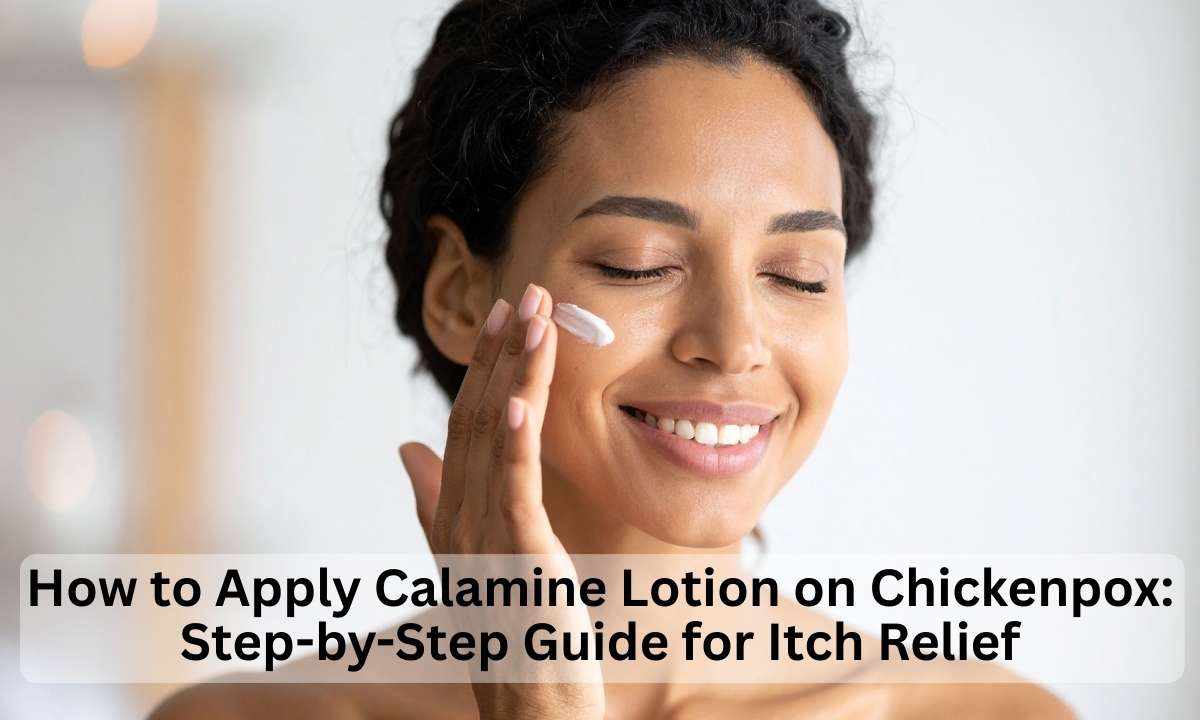
Chickenpox, a viral infection caused by the varicella-zoster virus, is often a rite of passage for many children and even some adults. While the illness itself is usually mild, the accompanying rash—a collection of red, itchy, fluid-filled blisters—can cause significant distress. One of the most trusted home remedies for managing this discomfort is the use of a cooling pink liquid. Knowing how to correctly apply calamine lotion can make the difference between a restless night and a period of relative comfort during the recovery phase.
Understanding the Role of Topical Skin Protectants
Calamine lotion, or whatever you call it, is basically just zinc oxide mixed with ferric oxide. People have been putting it on skin problems for a long time now, like as a gentle way to clean and tighten things up, I guess you could say antiseptic too.
When there’s a viral rash going on, you apply this stuff, and it feels cool because the liquid dries up and evaporates pretty quickly. That cooling part, it sort of takes your mind off the itching by messing with the nerve signals heading to your brain, the intense ones that make you want to scratch nonstop.
The zinc in there helps dry out blisters if they’re leaking or something, which pushes things along to that crusty phase faster, though I’m not totally sure how fast it really works for everyone. It seems like a simple fix, but yeah, that’s the main idea behind it.
Preparation Before You Apply Calamine Lotion
Cleanliness comes first when you’re about to use that lotion on blisters. I mean, washing your hands with soap and water is key because bacteria from your fingers could easily cause an infection if they get in there. It seems like that’s the biggest risk.
The lotion might not mix well on its own. Active ingredients tend to settle down at the bottom, so shaking the bottle helps get them all even.
Using your fingers straight into the bottle is not a good idea. Better to grab a clean cotton ball or something like a soft gauze pad that’s sterile. That way, you don’t contaminate anything.
You don’t have to slather it everywhere on your skin. Just focus on those spots that are really irritated, the ones bothering you most. Some people might think covering more is better, but I think targeting specifically works fine.
Why Antiseptic Zinc Oxide is Essential for Itch Relief
One of the reasons why people use calamine lotion is due to its content of zinc oxide. Zinc is recognized as having soothing effects on the skin. When it comes to chickenpox, there are several stages at which the skin progresses: red papules, fluid-filled areas called vesicles, and, lastly, scabs form. The highly sensitive stage is when the skin is filled with fluid-containing areas. The mild antiseptic property of this lotion ensures that the skin remains clean, and this is essential in ensuring there are no bacterial infections as a result of continuous itching due to chickenpox.
Cooling Sensation for Better Sleep
Itching often worsens at night due to less distraction. Applying a thin layer of the lotion before bedtime can provide a temporary cooling barrier. This relief is most often enough to help a child drift off to sleep with a decrease in the urge to scratch their skin, which can otherwise lead to permanent scarring.
Safe Usage Guidelines for Childhood Viral Rashes
So, while dealing with a viral infection in a child, it is important that safety comes first. This is a very safe topical treatment, but it is not supposed to be consumed by any means. While applying it on your child’s face, you should take utmost care that it does not enter the eyes, nose, or mouth.
Places to Avoid Calamine lotion
- Eyes and Eyelids: The ingredients can cause severe stinging and irritation.
- Mucous Membranes: Do not use inside the mouth or genital area.
- Open Wounds: If a blister has been scratched open and looks “raw” or infected, consult a doctor before applying any topical agents.
Managing the Chickenpox Healing Process at Home
The average duration of the rash is about five to ten days. During this time, the goal is “symptom management.” Besides topical relief, other home care strategies can augment the cooling action of the lotion.
Colloidal Oatmeal Baths
Fine lacerations of oatmeal added to a tepid bath can be soothing for the entire body at one time. After the bath, pat dry the skin with a clean towel—never rub, because rubbing opens up the blisters. After the skin has dried completely, this is the ideal time to apply the calamine lotion on the worst areas.
Keeping Fingernails Short
The amount of lotion used aside, there will still be some scratching. Cutting your patients’ fingernails short is an easy way to reduce skin damage. To protect your infant patients from scratching their skin, you can place soft mittens or socks on their hands at night.
When to Seek Professional Medical Advice
While home care is usually sufficient for healthy individuals, chickenpox can occasionally lead to complications. You should contact a healthcare provider if you notice any of the following:
- High Fever: A temperature that lasts more than a few days or rises above 102°F.
- Signs of Infection: If certain spots become very red, warm, or start oozing thick yellow pus.
- Respiratory Issues: Difficulty breathing or a persistent, heavy cough.
- Neurological Changes: Extreme drowsiness, confusion, or a stiff neck.
Essential Precautions and Best Practices
The best way for you to benefit is if you make sure you use it up before it expires in your bottle. The cream can eventually dry out or even lose its potency. If you or your patient suffers from any allergies, such as zinc or iron oxide, then other methods of reducing inflammation are needed.
Removing the Lotion
It may also leave a pink chalky residue on the skin and clothing. This is expected. The calamine can be removed by giving the affected person a bath using lukewarm water and a mild soap. Following the bath, the affected person will no longer need any treatment since the blister will heal on its own.
Frequently Asked Questions
Q1: How many times a day should I apply calamine lotion?
You can generally apply it three to four times a day. If the itching is severe, follow the specific instructions on the product label or the advice of your pharmacist.
Q2: Can I use this on a baby under six months old?
For very young infants, it is always best to consult a pediatrician before using any over-the-counter medications or topical treatments.
Q3: Does calamine lotion cure chickenpox?
No, it does not cure the virus. The virus must run its course. The lotion is only intended to provide symptomatic relief from itching and irritation.
Q4: Will it help prevent scarring?
Indirectly, yes. By reducing the urge to scratch, you decrease the likelihood of deep skin damage and secondary infections, both of which are primary causes of chickenpox scars.
Q5: Can I use calamine on a rash inside the mouth?
No. Calamine is for external use only. For mouth sores, cold fluids or sugar-free popsicles are much safer and more effective.
To manage the discomfort of the varicella rash effectively, remember to maintain high standards of hygiene. Always apply calamine lotion with clean materials and monitor the skin for any signs of worsening inflammation. Combined with rest, hydration, and cool baths, this traditional remedy remains one of the best tools for navigating the itchy challenges of chickenpox.